
Psychoanalytic Therapy in NYC
Psychoanalytic therapy is depth-oriented, open-ended psychotherapy that helps adults understand how earlier experiences and out-of-awareness patterns shape today's symptoms, so change comes from insight rather than skills alone. At our Manhattan practice, one clinician delivers the therapy and manages medication in a single plan.
Our clinicians are affiliated with



What is Psychoanalytic Therapy and Who Does It Help
Psychoanalytic therapy, also called insight-oriented or psychodynamic therapy, works from a simple premise: the patterns that run your life have a history, and understanding that history changes how the patterns play out. Where skills-based therapy asks how to change a behavior, this work asks why the behavior is there in the first place. It's the depth-oriented, exploratory end of psychotherapy: open-ended, conversational, and aimed at the cause rather than the symptom.
It's less suited to acute, symptom-targeting work. For panic, OCD, or self-harm in crisis, CBT and DBT lead, and we may start there and bring in insight-oriented work later.
The short version
You may be a strong fit
It helps most when a problem has roots, not just triggers. You may be a strong fit if several of these sound familiar:
The evidence behind psychoanalytic therapy
the benefits of psychodynamic therapy tend to hold, and often keep deepening, after treatment ends (Shedler, American Psychologist, 2010)
across treatment, with effects that tend to grow at long-term follow-up (Shedler, American Psychologist, 2010)
in short-term psychodynamic therapy across controlled trials (Abbass et al., Cochrane Database of Systematic Reviews, 2014)
How Psychoanalytic Therapy Works and What to Expect
The work looks at the relationships, early experiences, and out-of-awareness patterns that shape why a problem exists, then traces how they show up in the present. As those connections come into focus, the grip of the old pattern loosens. Patients often start making different choices before they consciously decide to, which is the hallmark of insight-oriented change: it tends to become self-sustaining and to keep working after the therapy itself is finished.
A session looks less like a classroom than a guided conversation. There are no homework sheets. Your clinician listens closely, notices what surfaces, and helps you connect present-day patterns to what's underneath them. Sessions run 30 to 90 minutes, and most patients meet weekly, some twice weekly when the work calls for it.
Early sessions focus on the story of how you got here: your history, family context, the relationships that shaped you, and what you've tried before. From there, the work moves between what happened to you and what's happening to you now. Progress shows up first as insight, then in choices. Most focal courses run six to twelve months, with an open conversation about pacing along the way. This is the modern form of the tradition: analytic depth, without the couch or the multi-year frequency of classical psychoanalysis.
Psychoanalytic Therapy at Integrative Psych
Insight-oriented therapy depends more than almost any other modality on specific fit: how the clinician listens, the patterns they notice, the pace they hold. That begins with the Sigmund Assessment, a structured evaluation your clinician reviews before your first appointment. It maps your symptoms, psychiatric history, earlier-life context, and prior treatment, so your clinician arrives already understanding your case.
The advantage of doing this work here is integration. One board-certified clinician delivers your therapy and manages your medication management in a single plan, so for long-standing depression, chronic anxiety, or trauma, the medication and the insight-oriented work reinforce each other instead of running on separate tracks. The practice houses clinicians affiliated with the National Institutes of Health, Columbia University, and New York-Presbyterian Hospital, and you can explore the research if you want to look deeper. Care is available in person at our Manhattan office and by telehealth anywhere in New York State.
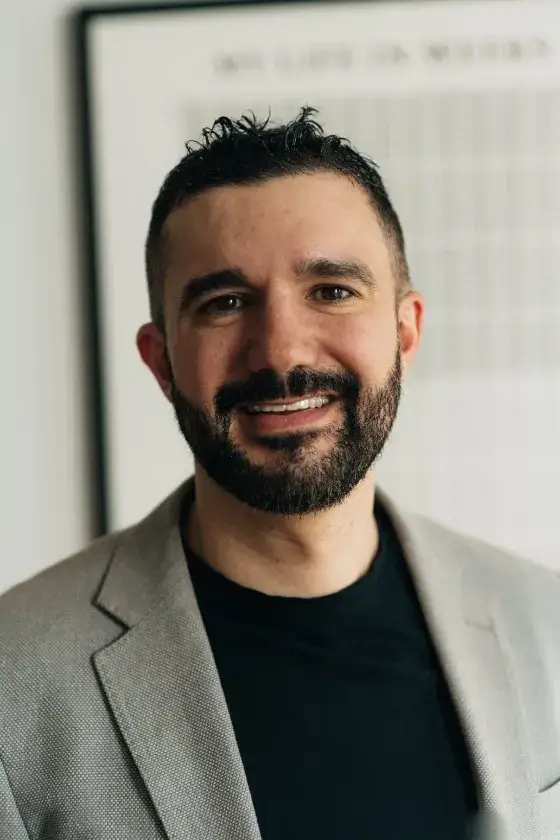
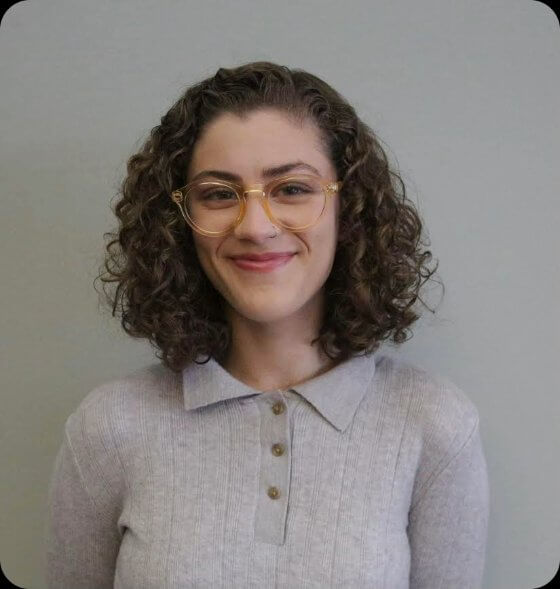
Clinicians who provide psychoanalytic therapy
Board-certified psychiatrists and psychiatric nurse practitioners. The practice houses clinicians affiliated with NIH, Columbia, and New York-Presbyterian.






What Patients Say
Insurance and Billing
Integrative Psych is an out-of-network practice. You pay at the time of service and receive a monthly superbill to submit to your insurer for potential out-of-network reimbursement. Many PPO plans reimburse a portion, and your insurer is the best source for what your specific plan covers. To check yours, call the number on your card and ask about out-of-network reimbursement for outpatient psychiatric evaluations, follow-up visits, and therapy.
Billing, simply
Frequently Asked Questions About Psychoanalytic Therapy
Start Here
If you've tried other approaches and felt something deeper was left untouched, there's a path forward that addresses the cause, not just the surface. We'll map what's driving your patterns and match you with the right clinician. Appointments are in person at our Manhattan office or by telehealth anywhere in New York State.