Can Improving Metabolic Health Reduce Psychiatric Symptoms?

Improving metabolic health may play a powerful role in reducing psychiatric symptoms. Emerging research in integrative psychiatry shows strong links between insulin resistance, inflammation, blood sugar instability, and mitochondrial dysfunction with conditions such as depression, anxiety, ADHD, bipolar disorder, OCD, trauma/PTSD, eating disorders, and psychosis. When metabolism is impaired, brain function, mood regulation, and cognitive clarity can suffer. This article explores how strategies like strength training, balanced nutrition, improving metabolic flexibility, stabilizing blood sugar, and reducing inflammation may support emotional stability and enhance treatment outcomes. It also highlights how evidence-based therapies such as CBT, DBT, ACT, and EMDR can be integrated with metabolic interventions for a comprehensive, whole-person approach. By addressing both biological and psychological factors, integrative psychiatry offers a pathway toward more sustainable symptom relief and long-term mental wellness across the lifespan.
Psychiatric NP vs Psychiatrist: Key Differences, Benefits, and How to Choose in NYC
Choosing between a psychiatric NP vs psychiatrist depends on your clinical needs, symptom complexity, and care goals. Psychiatrists are medical doctors with extensive training suited for complex conditions like bipolar disorder, psychosis, and treatment-resistant illness, while psychiatric nurse practitioners offer holistic, accessible care for many common mental health concerns. In NYC, the most effective approach is often integrative, team-based care, where psychiatrists, psychiatric NPs, and therapists collaborate to treat conditions such as depression, anxiety, ADHD, OCD, trauma, eating disorders, and BPD. Integrative Psych NYC exemplifies this model by combining medication management with evidence-based therapies to deliver personalized, comprehensive mental health treatment.
How to Pick a Mental Health Provider: A Comprehensive Guide & Provider Breakdown
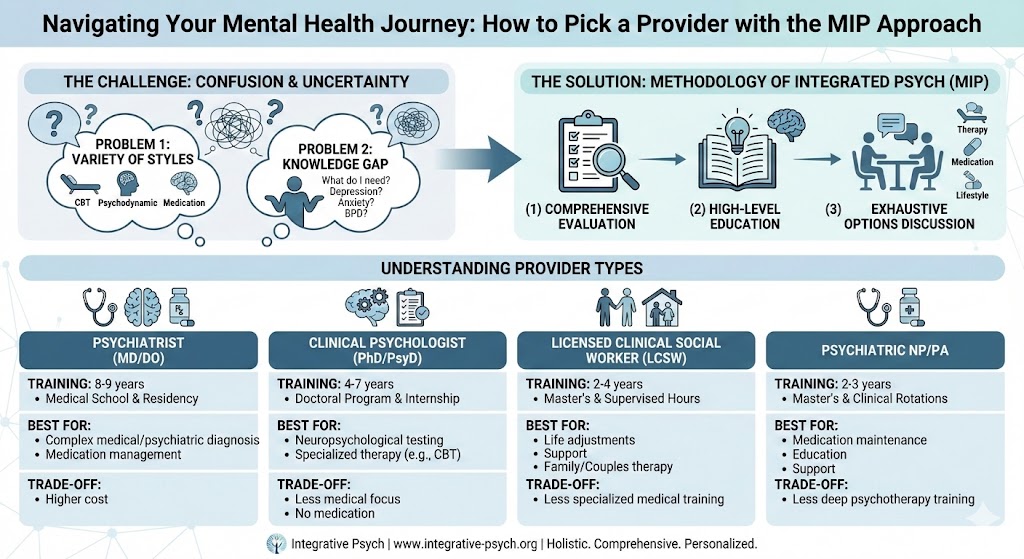
Key Takeaways Key Takeaways Identify the Problem: Patients often struggle because they don’t know their specific condition or which provider style suits it best. Understand the Training: Psychiatrists have 8-9 years of medical/psych training; Psychologists have 4-7 years of specialized PhD/PsyD work; LCSWs have 2-4 years of systems-based training. The MIP Advantage: The Methodology of […]
Blood Tests for Mental Health: What They Reveal About Mood, Anxiety, and Brain Function
Key Takeaways Blood tests cannot diagnose mental illness directly but can identify biological contributors like thyroid issues, vitamin deficiencies, and inflammation. They help differentiate medical vs. psychiatric causes of symptoms such as fatigue, anxiety, and poor concentration. Essential tests include thyroid panel, Vitamin D, B12/folate, ferritin, hormones, inflammation markers, and metabolic labs. Blood tests are […]
The Future of Mental Health | Text-Based Therapy

Text or online therapy or e-therapy is a form of mental health counseling conducted primarily through written communication such as text messages, emails, or chat platforms. Clients engage with licensed therapists or mental health professionals via digital means, benefiting from the convenience of remote access, anonymity, and flexibility. For those in the region seeking specialized help, finding a Child Psychiatrist in New York might be beneficial.
Are Psychologists Doctors?
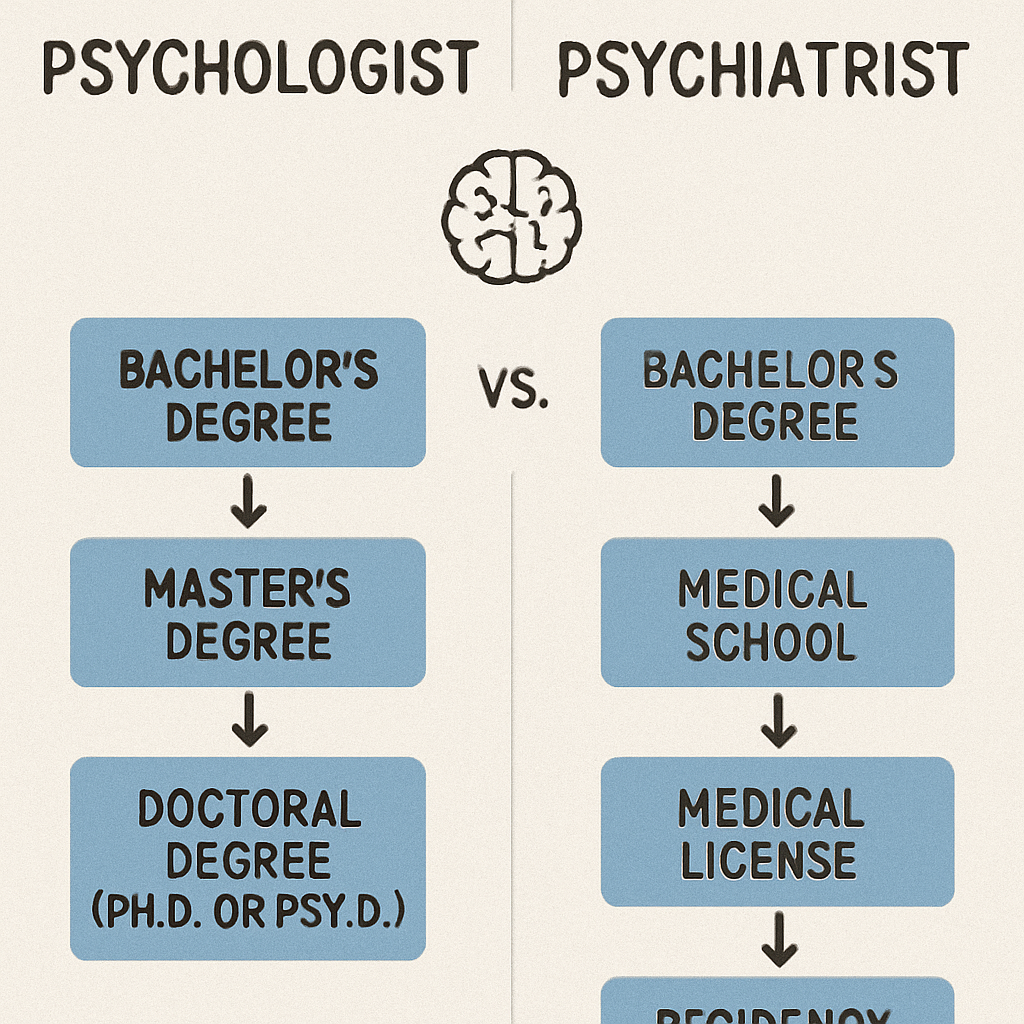
Understanding the Role of Psychologists as “Doctors”Understanding the role of psychologists in the medical field can be confusing. Many people wonder if psychologists are considered doctors. This question often arises when seeking mental health care.Psychologists hold advanced degrees in psychology. They typically earn a Ph.D. or Psy.D. This education qualifies them as doctors in their field. However, they are not medical doctors (MDs).The distinction between psychologists and psychiatrists is important. Psychiatrists are medical doctors who specialize in mental health. They can prescribe medication, unlike most psychologists.Psychologists focus on diagnosing and treating mental health disorders. They use therapy and counseling as their primary tools. Their role is crucial in mental health care.The ability to prescribe medication varies by state. Some states allow psychologists with additional training to prescribe. This is not common across the United States.Understanding these differences helps in choosing the right mental health professional. It ensures that individuals receive appropriate care. This article will explore these roles and clarify common misconceptions.
Understanding Patient Confidentiality

Patient confidentiality refers to healthcare providers’ ethical and legal responsibility to safeguard the privacy of patients’ personal and medical information. It ensures that any information shared by patients with healthcare professionals, or recorded in their medical records, remains confidential and is not disclosed to unauthorized individuals or entities without the patient’s explicit consent or as permitted by law. A Mental Health Psychiatrist in New York upholds strict confidentiality standards to protect patient privacy and trust.
Understanding the Difference Between Therapy and Psychiatry in Anxiety and Depression Treatment
A therapist, often referred to as a counselor, is a broad term encompassing professionals who receive specialized training in delivering various psychological treatments and interventions. In contrast, a psychiatrist is a medical doctor with either an MD or DO degree specializing in mental health. Their educational path involves completing medical school, followed by a residency specifically in psychiatry. A Psychiatrist For Anxiety in New York can provide support for those experiencing anxiety disorders, while A Psychiatrist For Depression in New York offers tailored treatment for individuals struggling with depressive symptoms. Additionally, individuals seeking specialized care for children and adolescents can benefit from the expertise of A Child Psychiatrist in New York. For those exploring innovative treatment options, Ketamine-Assisted Psychotherapy in New York may offer a novel approach, while Addiction Therapy in New York provides support for individuals recovering from substance abuse disorders.
What is Integrative Psychiatry? | Integrative Psych
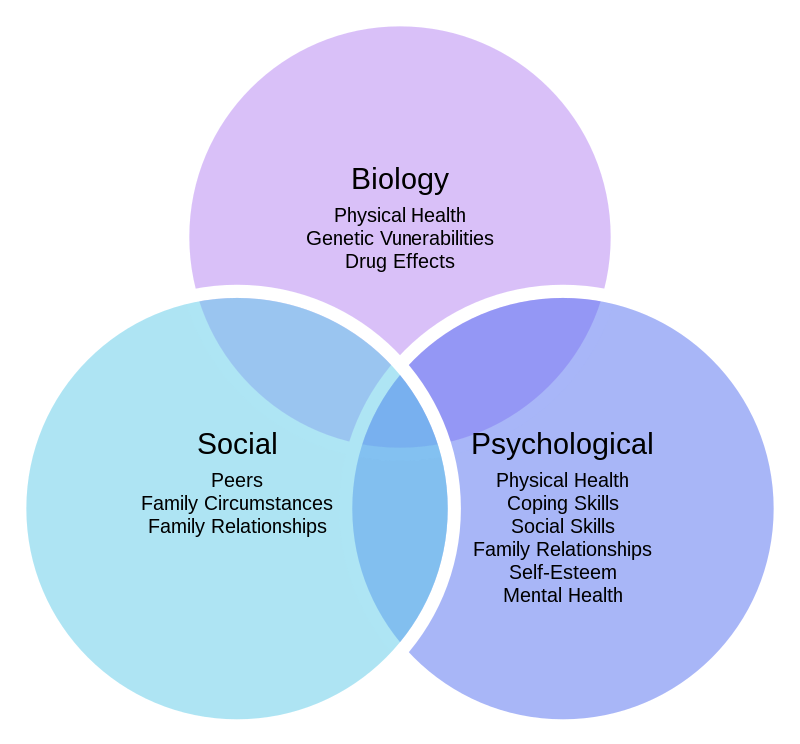
Mental health isn’t just chemical—it’s personal. Explore how the Integrative Psych approach uses therapy, medication, lifestyle, and social interventions to support true healing.