Managing Tasks with ADHD: Practical Strategies and Mental Health Support

Evidence-based strategies and mental health support for managing tasks with ADHD, including therapy, medication, and accommodations.
ADHD and Metabolic Dysfunction: An Integrative Psychiatry Perspective
ADHD and metabolic dysfunction are increasingly understood as interconnected conditions, with blood sugar regulation, inflammation, sleep disruption, and hormonal imbalance influencing attention, mood stability, and executive functioning. This integrative psychiatry perspective explores how metabolic health impacts ADHD symptoms and co-occurring conditions such as anxiety, depression, OCD, bipolar disorder, trauma/PTSD, and eating disorders. By combining evidence-based therapies like CBT, DBT, ACT, and EMDR with lifestyle psychiatry strategies, individuals can experience improved focus, emotional regulation, and long-term mental health outcomes. A comprehensive, whole-person approach offers a more sustainable path to managing ADHD across the lifespan.
Multitasking or ADHD: How to Tell the Difference and Get Help
Understand whether difficulties are normal multitasking limits or ADHD, how it relates to depression, anxiety, OCD and treatment options.
ADHD or Anxiety? Why Adults Are So Often Misdiagnosed
Key Takeaways ADHD and anxiety overlap but require different treatments ADHD is neurodevelopmental; anxiety is threat-based Misdiagnosis leads to ineffective care and burnout Comprehensive evaluation is essential Correct diagnosis unlocks effective treatment Misdiagnosed ADHD vs Anxiety in Adults: Why the Difference Matters More Than You Think Why Adult ADHD and Anxiety Are So Often Confused […]
Why Modern Life Keeps Your Nervous System Stuck in Survival Mode
Key Takeaways Survival mode reflects chronic nervous-system activation, not weakness Modern stressors prevent physiological recovery Anxiety, depression, ADHD, OCD, and trauma are closely linked Therapy and medication often need to work together Early intervention restores resilience and flexibility Why Modern Life Keeps the Nervous System in Survival Mode What Does “Survival Mode” Mean Psychologically? When […]
Telehealth Prescribing for ADHD: What Patients Need to Know About Safety, Regulations, and Quality Care
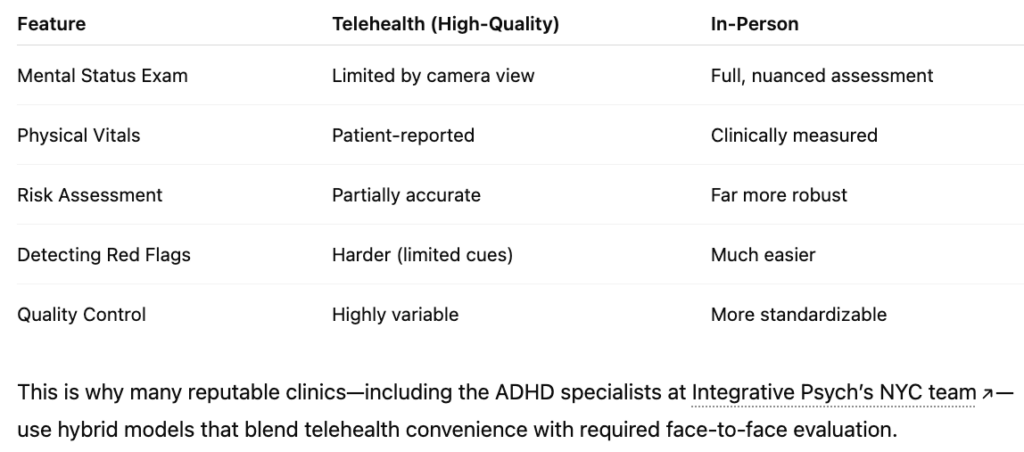
Key Takeaways Telehealth can support ADHD treatment, but stimulant prescribing requires stricter safety standards. Dr. Ryan Sultan emphasizes that in-person evaluations detect crucial mental-status findings telehealth may miss. “Telemoney” platforms created public-safety risks by overprescribing without adequate assessment. Hybrid care models offer the best balance of access and safety. ADHD overlaps with anxiety, depression, OCD, […]
The Neurodivergent Brain: Understanding, Supporting & Celebrating Differences

Key Takeaways The neurodivergent brain refers to brain-functioning styles that differ from the typical; it’s not a disease but a variation. Neurodivergence intersects with many mental-health conditions (ADHD, anxiety, OCD, eating disorders, BPD, psychosis); understanding this helps tailor care. Strength-based and neurodiversity-affirming approaches (environmental accommodations, tailored therapy, self-knowledge) support flourishing. Workplaces, schools and systems that […]
Unrecognized ADHD: The Hidden Challenge in Mental Health
Key Takeaways ADHD often remains undiagnosed in adults due to subtler presentation and overlaps with other disorders. High rates of comorbidity (depression, anxiety, OCD, BPD, psychosis, eating disorders) mean ADHD may be overlooked. Screening for ADHD in patients with persistent mood/anxiety issues and executive-function deficits is crucial. Effective management requires integrative treatment addressing both ADHD […]
The Science Behind Fidgeting: Boost Productivity

The Science Behind Fidgeting and Productivity In classrooms and offices alike, fidgeting has often been viewed as a distraction. Yet, recent research suggests that fidgeting might actually enhance productivity and focus, especially for certain individuals. This article delves into the science behind fidgeting, explores the benefits of fidget toys, and provides insights into their practical […]
Neurotypical vs Neurodivergent: Key Differences
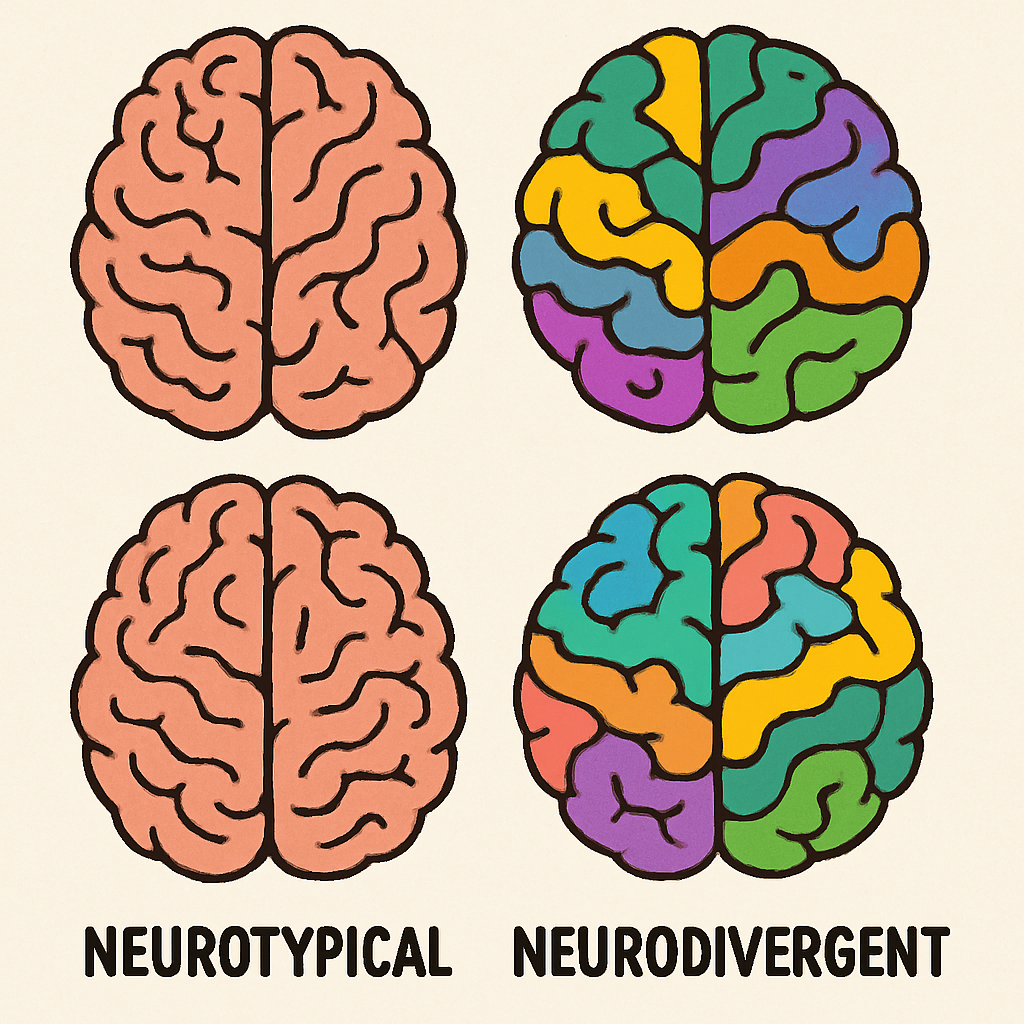
The article “Understanding Neurotypical and Neurodivergent Differences” explores the distinctions between neurotypical individuals, who align with societal norms, and neurodivergent individuals, who possess unique neurological traits such as autism or ADHD. It highlights the traits and challenges faced by both groups, emphasizing that neurotypical individuals often navigate social settings easily, while neurodivergent individuals may exhibit exceptional creativity and require tailored environments to thrive. Key topics include the differing communication styles between the two groups, neurodivergent challenges in daily life, and the significance of embracing neurodiversity. The article concludes by stressing the importance of understanding these differences to foster inclusivity and acceptance, ultimately benefiting society as a whole by encouraging empathy and collaboration.