Functional Psychiatry: Principles and Benefits

Functional psychiatry focuses on holistic mental health care by addressing root causes rather than just symptoms. It integrates lifestyle factors and personalized treatment plans, promoting overall wellness. This innovative approach is gaining popularity in major cities, offering tailored solutions for individuals seeking optimal mental health.
SSRI for Mood Disorders

The article highlights the role of SSRIs in treating mood disorders like depression and anxiety. It explains their effectiveness, the importance of combining medication with therapy, and how to address potential side effects. Additionally, it emphasizes the importance of professional support from therapists and psychiatrists in achieving lasting mental well-being.
Understanding Psychotropic Medication Benefits & Uses

Understanding the Role of Psychotropic Medications Psychotropic medications play a vital role in mental health care. They help manage conditions like anxiety, depression, and ADHD. These medications work by altering brain chemistry to improve mood and behavior. Understanding their role is crucial for effective treatment. This knowledge empowers patients and healthcare providers to make informed […]
Psychopharmacologists: Key in Mental Health Care

Psychopharmacologists focus on medication management for mental health, tailoring treatments to individual needs. They collaborate with other professionals, ensuring effective care and improving outcomes through ongoing research and innovation.
BPD Symptoms & Treatment

Explore symptoms, causes, and treatment options for Borderline Personality Disorder (BPD), emphasizing recovery and support.
CBT vs DBT: Key Differences & Best Uses
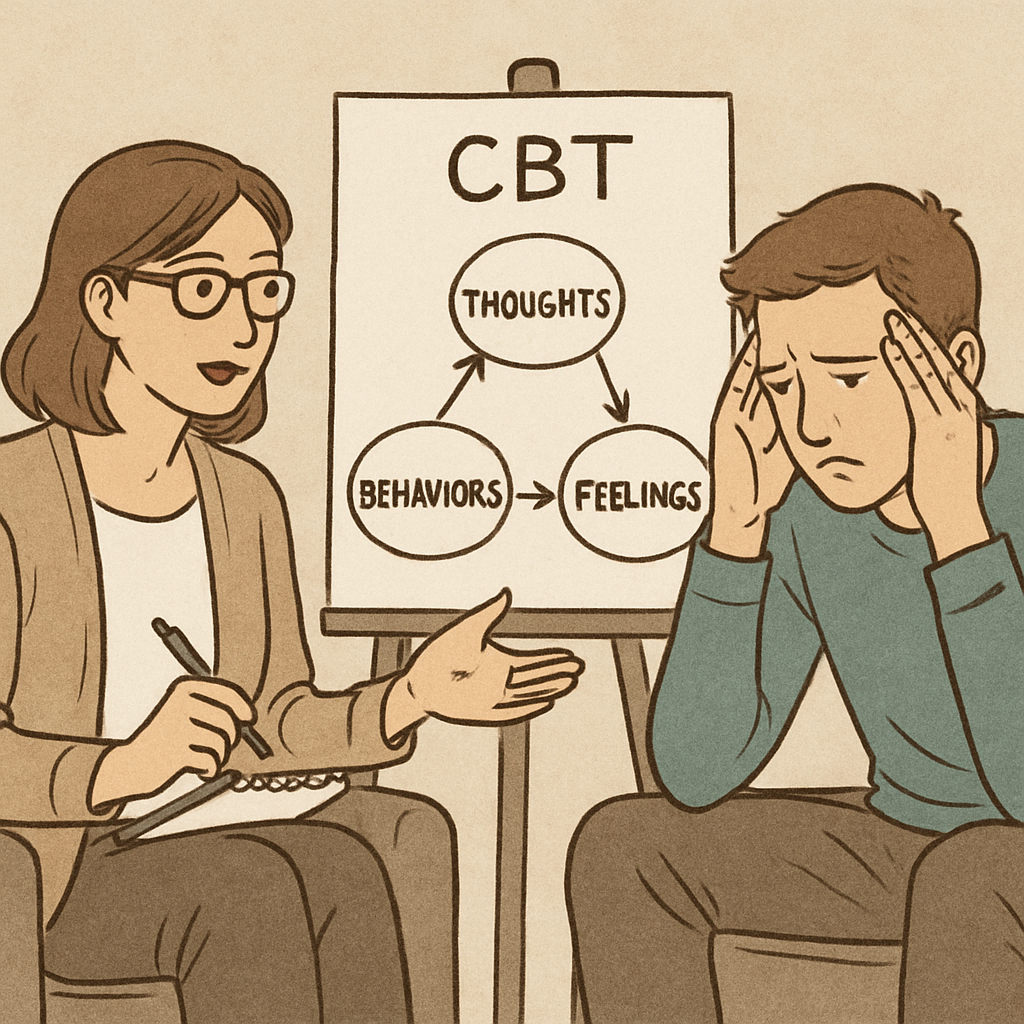
The article “Comparing CBT and DBT: Key Differences” explores the two popular therapeutic approaches, Cognitive Behavioral Therapy (CBT) and Dialectical Behavior Therapy (DBT). It outlines their definitions, core principles, techniques, and applications for various mental health conditions. CBT focuses on changing negative thought patterns to improve emotional well-being, employing techniques like cognitive restructuring and exposure therapy. In contrast, DBT balances acceptance and change, integrating mindfulness and skills training for emotional regulation. The article emphasizes their distinct yet complementary benefits, making it essential for individuals to consider their specific needs and goals when choosing between these therapies. Additionally, it discusses the integration of CBT and DBT for a more holistic treatment approach and addresses frequently asked questions about their effectiveness and key differences. Ultimately, consulting with a mental health professional is crucial for tailoring therapy to personal circumstances.
Therapy for Dismissive Avoidant Attachment: Healing Journey
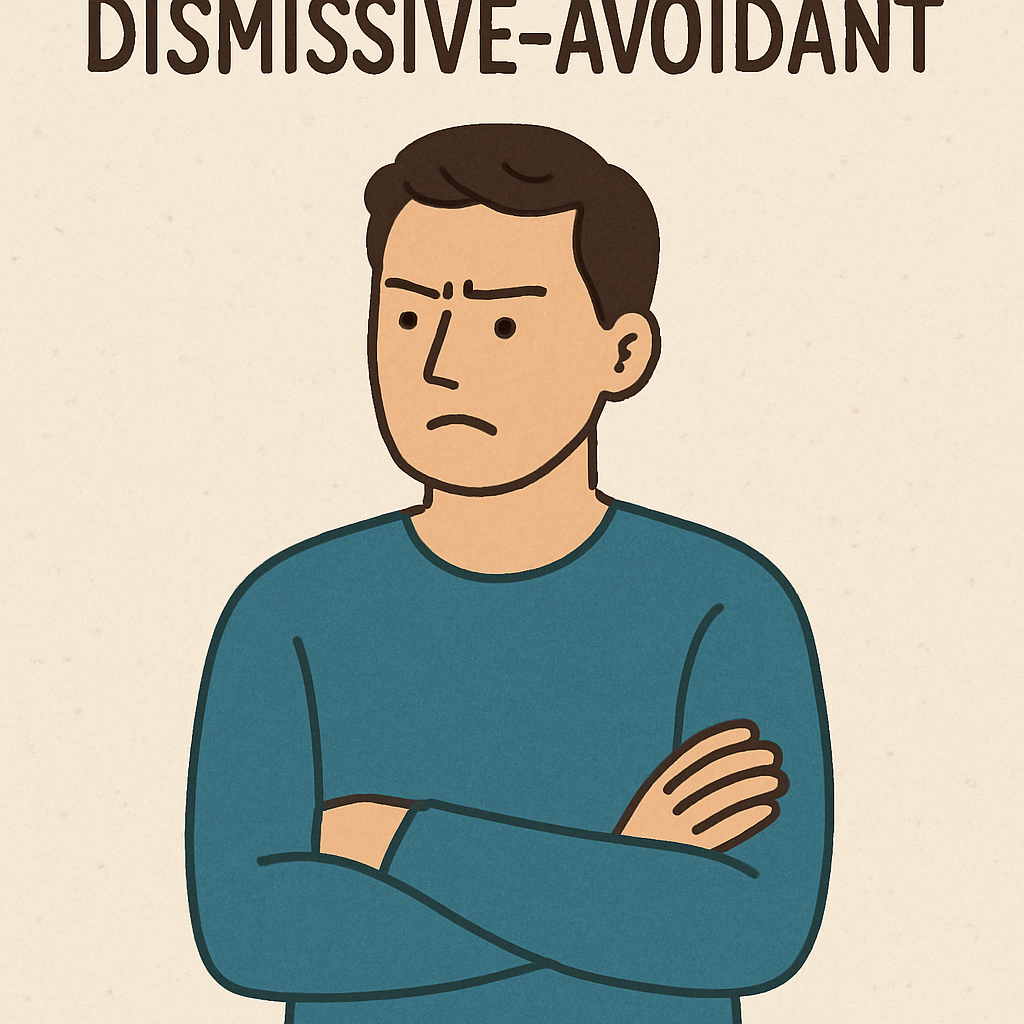
This article explores the journey of healing dismissive avoidant attachment through therapy. It highlights the characteristics and impact of this attachment style on relationships, emphasizing the importance of understanding its roots. Therapy plays a crucial role in helping individuals manage avoidant behaviors, develop effective communication skills, and embrace vulnerability. Various therapeutic approaches, including Cognitive-Behavioral Therapy (CBT) and Emotionally Focused Therapy (EFT), are discussed. The article also provides practical steps for individuals seeking change and tips for partners to support their loved ones. Ultimately, it emphasizes that with commitment and the right support, individuals can build secure attachments and enjoy more fulfilling relationships.
Disorganized Attachment Style: Insights & Healing

The article “Understanding Disorganized Attachment Style in Relationships” explores the complexities of disorganized attachment style, characterized by erratic behaviors in relationships, such as seeking closeness and then withdrawing. It discusses how this attachment style often stems from childhood experiences of trauma or inconsistent caregiving, leading to difficulties in trusting others and emotional regulation in adulthood.
Therapists for Relationship Anxiety: Find the Right Help

The article discusses the importance of finding the right therapist for managing relationship anxiety. It highlights the common signs and causes of anxiety in relationships, such as trust issues and overthinking. The role of therapists is emphasized, detailing various therapy approaches that can aid in understanding and overcoming these anxieties. Additionally, it provides tips on selecting an appropriate therapist and steps to enhance the therapy experience. The conclusion reinforces how therapy can lead to healthier, more fulfilling relationships by fostering communication and emotional connections.
Ketamine Infusion: Rapid Relief for Depression
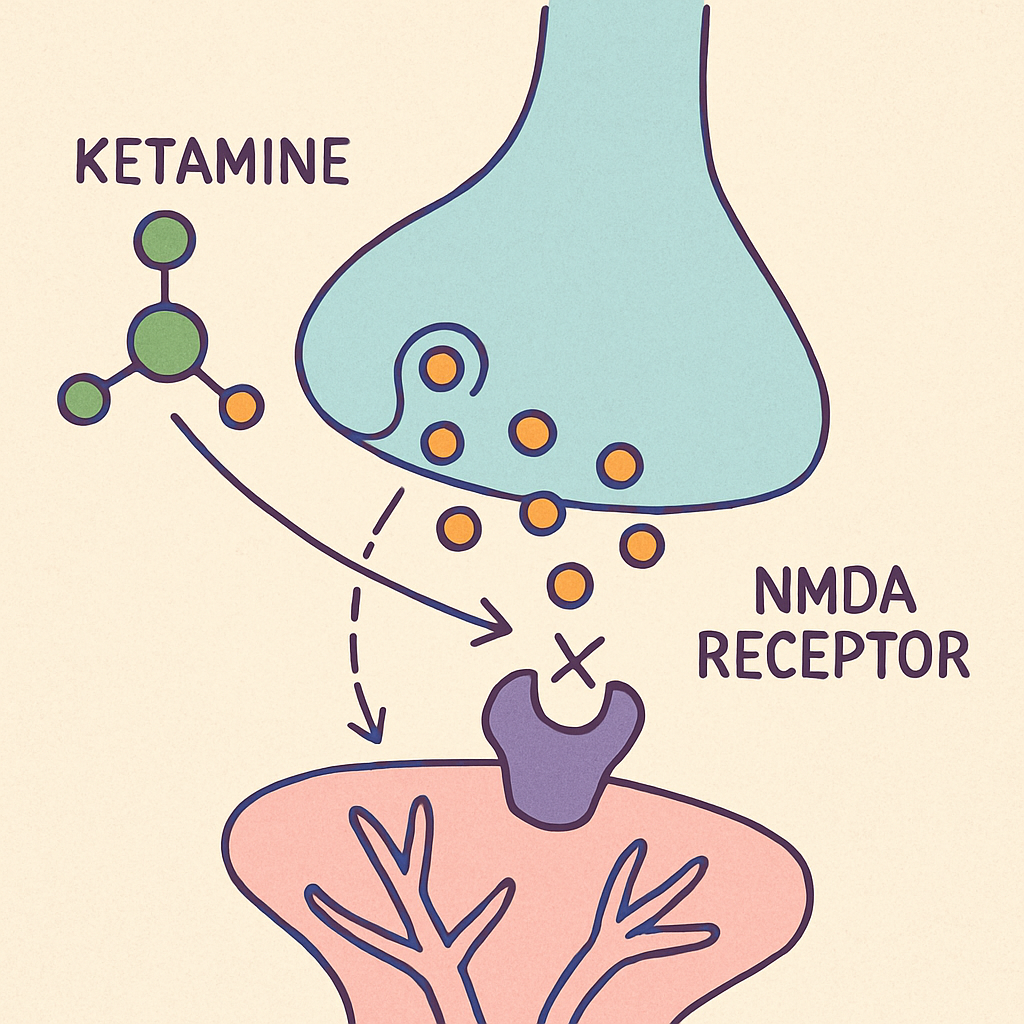
Ketamine infusion therapy is emerging as a promising treatment for depression, particularly for those with treatment-resistant cases. Originally developed as an anesthetic, ketamine offers rapid relief from depressive symptoms, often within hours, unlike traditional antidepressants. The therapy involves controlled intravenous administration under medical supervision, enhancing neuroplasticity and mood regulation in the brain. Patients report significant improvements in mood, energy levels, and a decrease in suicidal thoughts. However, it’s essential to be aware of potential side effects and have a thorough medical evaluation before starting treatment. As research continues, ketamine therapy holds the potential to reshape mental health care.