
Substance Use and Mental Health: Understanding Co-occurring Disorders & Treatment Pathways

Key Takeaways Substance use and mental health conditions often co-occur; about half of individuals with serious mental disorders have comorbid substance use problems. Conditions such as depression, anxiety, ADHD, OCD, BPD, psychosis, schizophrenia and eating disorders are all impacted by substance use in complex ways. Mechanisms include shared vulnerability, self-medication, substance-induced brain changes and functional […]
Emotional Contamination OCD: Understanding the Hidden Fear of “Bad Feelings”

Key Takeaways Emotional contamination OCD involves fear of being “contaminated” by other people’s emotions, traits or memories, rather than germs. Triggers often include people, memories or places tied to negative emotions; symptoms include avoidance, compulsions (physical and mental), shame and identity-fear. This subtype often overlaps with depression, anxiety, ADHD, eating disorders, BPD and even psychosis-spectrum […]
Early Signs of Schizophrenia in Females: Recognising Subtle Symptoms & Gender-Specific Patterns

Key Takeaways early signs of schizophrenia in females (primary keyword) schizophrenia in women early symptoms female schizophrenia age of onset gender differences schizophrenia symptoms prodromal schizophrenia signs females schizophrenia vs depression in women schizophrenia onset hormones females schizophrenia comorbid depression anxiety females female schizophrenia treatment response early warning signs psychosis women Early Signs of […]
Psychiatry v. Neurology: Understanding the Difference
Key Takeaways Psychiatry focuses on the mind—thoughts, emotions, and behaviors—while neurology focuses on the nervous system. Many psychiatric disorders (like ADHD, schizophrenia, and autism) show measurable neurological differences. The two fields increasingly overlap through advances in neuroimaging, genetics, and brain-based diagnostics. Integrated care combining psychiatric and neurological expertise leads to better diagnosis and treatment outcomes. […]
Early Detection of Psychosis: Recognizing the Signs and Taking Action
Key Takeaways Detecting psychosis early (before full-blown symptoms) significantly improves outcomes. Look for subtle changes — functional decline, mood/anxiety overlaps, sleep disruption, social withdrawal. Early detection must integrate screening for comorbid conditions (anxiety, depression, ADHD, OCD, BPD, eating disorders). Assessment should include differential diagnosis, physical medical work-up, and coordinated mental-health care. Practices like Integrative Psych […]
Is Schizophrenia Genetic?

Key Takeaways Schizophrenia is highly heritable (60–80%) but not purely genetic. No single gene causes it; risk comes from many small genetic variants. Environmental factors like stress, trauma, and prenatal issues influence onset. Gene–environment interaction determines individual risk. Shares genetics with depression, anxiety, ADHD, OCD, and BPD. Early detection and integrated care improve outcomes. […]
Causes of Autism Spectrum Disorder
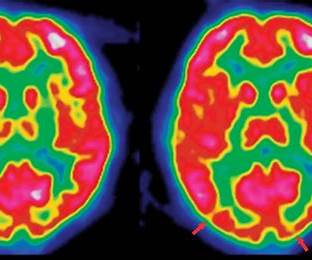
This article explores the causes of autism spectrum disorder, highlighting how genetics, brain development, and environmental factors interact to shape neurodevelopment. It also explains common comorbidities—including ADHD, anxiety, depression, OCD, eating disorders, and schizophrenia-spectrum overlaps—and dispels myths such as the vaccine misconception.
Brain Lobes and Functions
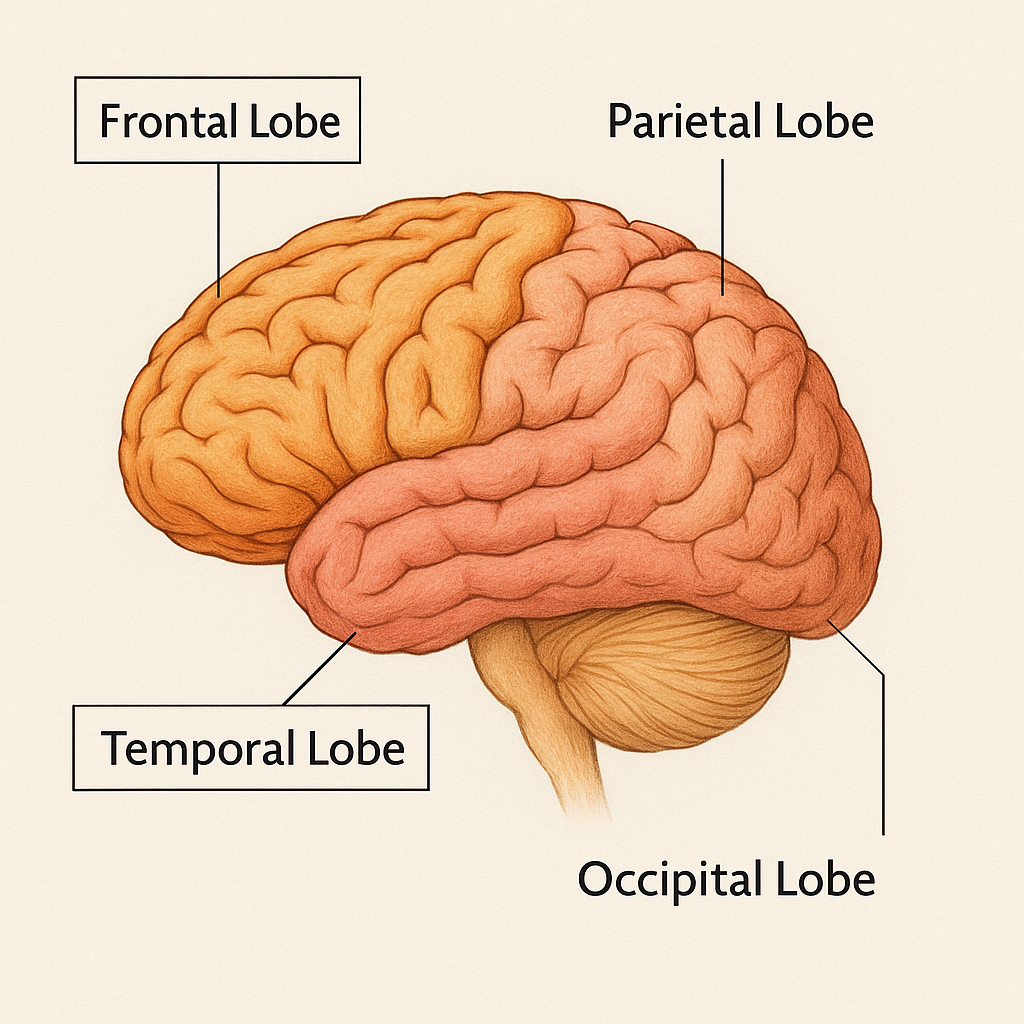
Introduction Understanding the architecture and operations of the brain is vital—not only for neuroscience but also for integrative psychotherapeutic practice. The phrase Brain Lobes and Functions encapsulates a foundational topic: how various regions of the cerebral cortex and adjacent structures support cognition, perception, emotion, and behaviour. For a mental-health-focused audience—such as clinicians working on conditions […]
Autism and Stimming Behaviors: A Parent’s Guide
Understanding Stimming: A Guide for Parents Definition of Stimming Stimming refers to self-stimulatory behaviors that are often seen in individuals with autism. These behaviors can include repetitive actions, such as rocking, spinning, or hand-flapping, as well as vocalizations like humming or repeating words. These actions are often rhythmic and can occur in various settings, whether […]
Understanding the Psychology of Food Aversion
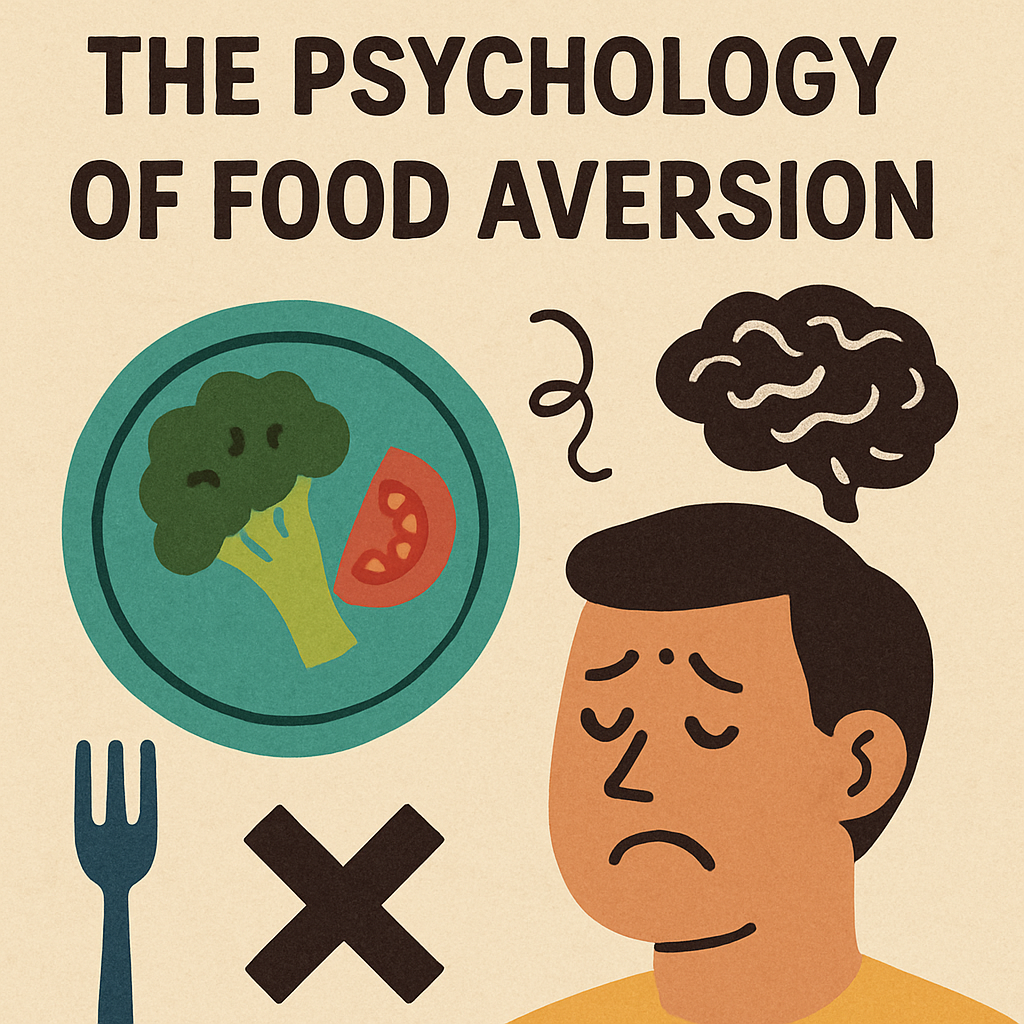
ARFID is a serious food aversion disorder—not about body image. Learn key symptoms, common myths, how it’s diagnosed, and evidence-based treatments (CBT + nutrition). Guidance for helping kids and adults build a safer, more flexible relationship with food.