Subclinical Anxiety: Why “Mild” Symptoms Can Still Warrant Care

Key Takeaways Subclinical anxiety is real, impairing, and often overlooked It differs from stress and frequently precedes diagnosable disorders ADHD, depression, OCD, trauma, and eating disorders commonly underlie it Therapy and medication can be effective even at lower symptom levels Early intervention reduces long-term mental health risk Subclinical Anxiety: When Symptoms Don’t Meet Criteria—but Still […]
Decision Paralysis: When Making Choices Becomes a Mental Health Issue
Key Takeaways Decision paralysis is a symptom, not a character flaw It commonly reflects anxiety, ADHD, OCD, depression, or trauma Modern environments intensify decision overload Therapy and medication often work best together Early intervention restores agency and flexibility Decision Paralysis as a Mental Health Symptom: When Choosing Feels Impossible What Is Decision Paralysis? Decision […]
High-Functioning Distress: Why You Can Be “Fine” and Still Be Struggling
Key Takeaways High-functioning distress is real and clinically meaningful It differs from anxiety and depression but often precedes them ADHD, trauma, OCD, and mood disorders frequently underlie it Generic stress advice is often insufficient Early, integrative care can prevent escalation High-Functioning Distress: When You Don’t Look Anxious or Depressed—but Something Is Wrong What Is High-Functioning […]
Sympathetic Dominance and Mental Health: Why Your Nervous System Can’t Power Down
Key Takeaways Sympathetic dominance is a physiological state, not a diagnosis It underlies anxiety, burnout, ADHD stress, trauma, and depression Insight alone may not resolve nervous-system hyperarousal Effective treatment integrates therapy, medication, and advanced care Early intervention reduces long-term psychiatric and physical risk Sympathetic Dominance and Mental Health: When the Nervous System Is Stuck in […]
Separation Anxiety Therapy: Understanding Symptoms, Causes, and Evidence-Based Treatment

Key Takeaways Separation anxiety affects children, teens, and adults and can significantly impair daily functioning. Effective therapy includes CBT, exposure, DBT, EMDR, trauma work, and family-based strategies. Comorbid conditions such as ADHD, depression, OCD, BPD, psychosis, and eating disorders influence symptom severity. Gradual exposure, emotional regulation skills, and supportive relationships are key components of treatment. […]
How Long Can Postpartum Depression Last? Duration, Recovery, and What New Mothers Need to Know

Key Takeaways Postpartum depression can last months to years without treatment but improves significantly with timely care. Symptoms affect mood, energy, sleep, appetite, and bonding, and often coexist with anxiety or OCD. Risk is higher in women with prior depression, ADHD, eating disorders, BPD, or trauma history. Treatment options include therapy, medication, hormonal interventions, and […]
Social Media Use and Mental Health: Risks, Benefits, and How to Protect Your Well-Being
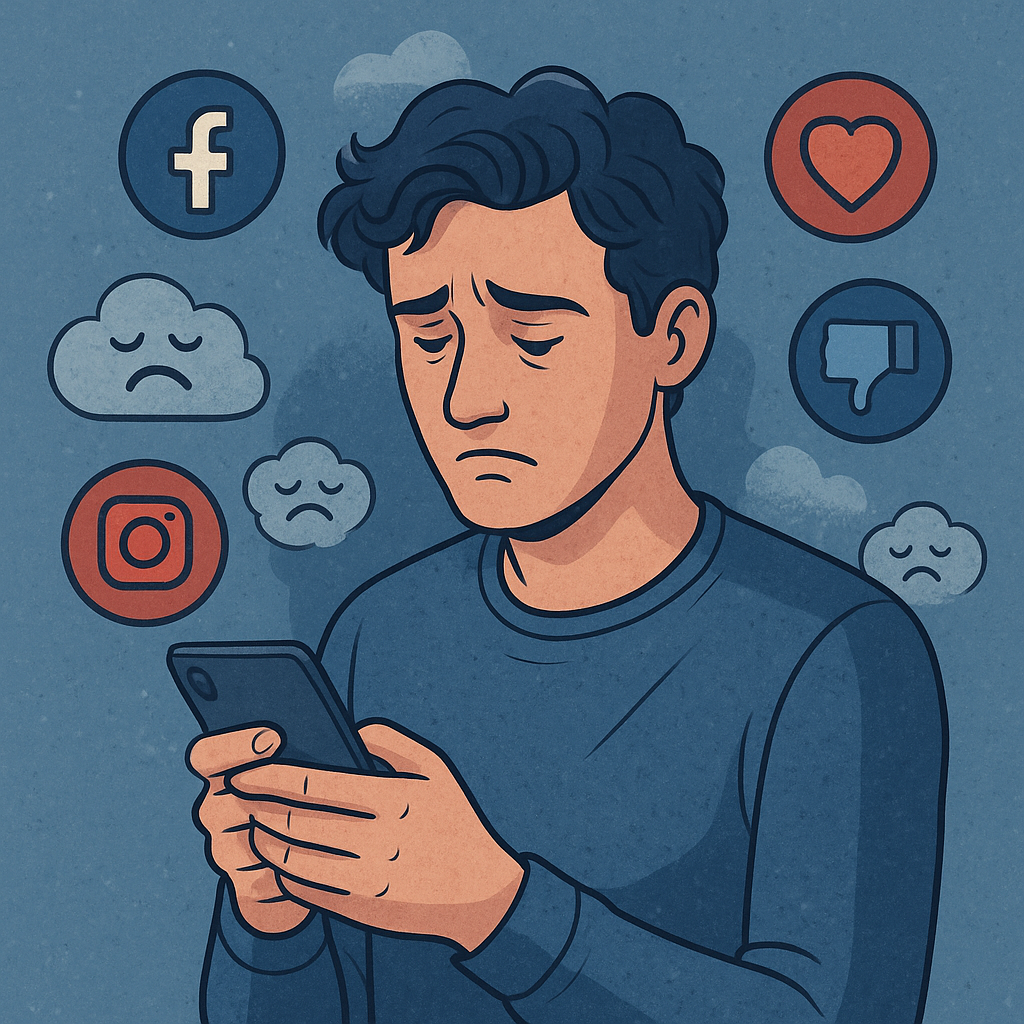
Key Takeaways Social media strongly influences mood, self-esteem, attention, and emotional regulation. Depression, anxiety, ADHD, OCD, BPD, and eating disorders are particularly sensitive to digital environments. Algorithmic design reinforces comparison, overstimulation, and compulsive scrolling. Marginalized groups experience both support and unique online risks. Evidence-based therapies like CBT, DBT, EMDR, and psychiatric care can mitigate negative […]
Addressing Seasonal Mental Health Issues: Causes, Symptoms, and Effective Treatment Approaches
Key Takeaways Seasonal changes can intensify depression, anxiety, ADHD, OCD, bipolar disorder, BPD, and eating disorders. Biological factors like serotonin and circadian rhythm shifts drive winter mood changes. Evidence-based treatments include light therapy, CBT, exercise, sleep regulation, and medication management. Early identification of symptoms can prevent worsening mental health during seasonal transitions. Integrative Psych in […]
Signs of Bipolar Disorder in Women: Gender-Specific Symptoms, Comorbidities & Care

Key Takeaways Women with bipolar disorder often present differently: more depressive episodes, hypomania rather than full mania, rapid cycling, and hormonal influences. Symptoms may overlap with or be misdiagnosed as depression, anxiety, ADHD, OCD, BPD or eating disorders—leading to delayed care. Hormonal life-stages (menstruation, pregnancy, menopause) and life roles (motherhood, caregiving) uniquely impact women’s bipolar […]
Seasonal Changes on Mental Health: Understanding & Managing Year-Round Vulnerability
Key Takeaways Seasonal changes in light, temperature & routine significantly affect mental-health vulnerability. Conditions like depression, ADHD, anxiety, OCD, eating disorders, BPD and psychosis all show seasonality patterns. Preventive strategies—routine, daylight exposure, social connection—build resilience. Clinicians should integrate season-aware screening and relapse-prevention in care plans. Integrative Psych’s NYC & Miami teams provide year-round support for […]