October 14, 2025
Explore schizophrenia's symptoms, types, and treatments. Learn about therapies and awareness to manage this complex mental health disorder effectively.
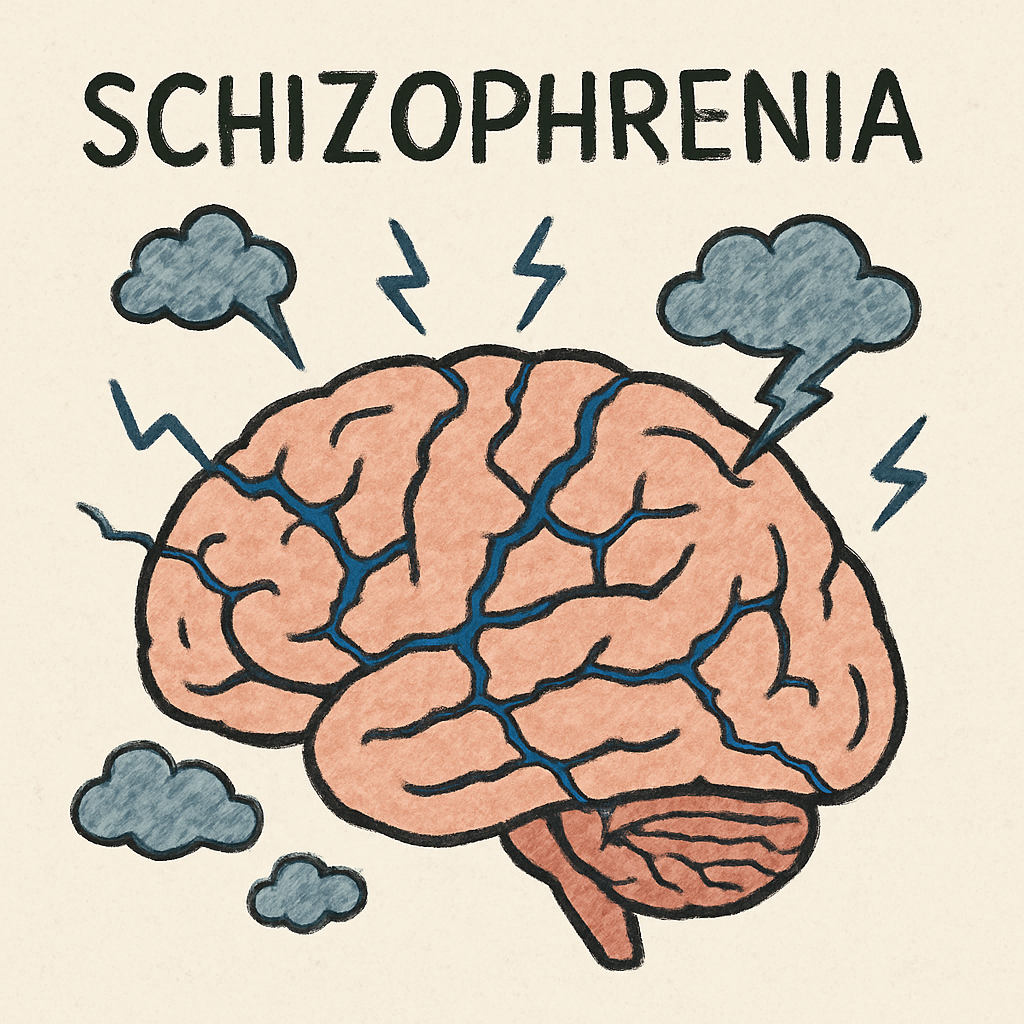
Schizophrenia is a chronic mental health disorder that typically emerges in late adolescence or early adulthood, although onset can occur at any age. It can cause a wide array of psychological symptoms and is often characterized by episodes of psychosis. Psychosis refers to having a break from reality, where a person might see, hear, or believe things that are not real. This altered state of reality can be incredibly disorienting and frightening for the individual, as well as challenging for their support network to understand and manage.
The disorder is not just a single condition but a spectrum of disorders that manifest in various ways, each with distinct symptoms and challenges. The complexity of schizophrenia often leads to misconceptions and stigma, which can hinder early diagnosis and treatment. This underlines the importance of recognizing the early signs and seeking professional help promptly. Early intervention can make a significant difference in the course of the disorder, improving long-term outcomes and quality of life for those affected.
Schizophrenia is not a one-size-fits-all diagnosis; there are several types, each with its own unique set of symptoms and challenges:

The symptoms of schizophrenia are usually divided into three categories: positive, negative, and cognitive symptoms, each affecting individuals in different ways and requiring distinct treatment approaches.
Positive symptoms are those that appear as a distortion or an excess of normal functions. They include:
Negative symptoms refer to a decrease in the ability to function normally. They include:
Negative symptoms can often be mistaken for depression or laziness, leading to misunderstanding of the individual's needs and challenges. They significantly impact daily functioning and quality of life, making it crucial to address them in treatment plans.
Cognitive symptoms can be subtle and are often detected through tests. They include:
Cognitive symptoms are often the hardest to recognize but play a significant role in the individual's ability to function independently. Addressing these through therapy and support is essential for improving overall outcomes.
While there is no cure for schizophrenia, various treatments can help manage symptoms, allowing individuals to lead fulfilling lives. Treatment is usually lifelong and often involves a combination of medications, therapy, and support services tailored to the individual's needs.
Antipsychotic medications are the cornerstone of schizophrenia treatment. They help manage symptoms by affecting the neurotransmitters in the brain, crucial for controlling the delusions and hallucinations that characterize the disorder.
Medications require careful monitoring by healthcare professionals to manage potential side effects and ensure the best outcomes for the patient. Adjustments may be needed over time as symptoms change or new medications become available.
Therapy can be an effective part of treatment for schizophrenia, helping individuals learn to cope with their symptoms and improve their quality of life. It plays a crucial role in addressing the emotional and social challenges associated with the disorder.
Therapy not only supports the individual but also educates families about the disorder, reducing stigma and enhancing the support network's ability to assist their loved one effectively.
Support services can be crucial in helping individuals with schizophrenia manage their daily lives, contributing to a more stable and fulfilling existence.
Support services play a vital role in helping individuals reintegrate into society, promoting independence and enhancing quality of life. They provide the practical assistance needed to navigate the complexities of living with schizophrenia.
Raising awareness about schizophrenia is vital for reducing stigma and misunderstanding about the condition. It helps encourage people to seek help and supports the development of better treatments and services. Education about the disorder can foster empathy and understanding in communities, making it easier for those affected to lead fulfilling lives. By promoting awareness, we can break down the barriers that prevent individuals from seeking the help they need and ensure that they receive the support necessary to manage their condition effectively.
Increased awareness can also drive research and funding for new treatments, ultimately improving the outlook for individuals with schizophrenia. Public education campaigns can highlight the realities of living with schizophrenia, challenging stereotypes and promoting a more nuanced understanding of the disorder. This can lead to more inclusive communities where individuals feel accepted and supported, reducing the isolation and discrimination that many people with schizophrenia face.
Schizophrenia is a challenging disorder, but with the right treatment and support, individuals can manage their symptoms and lead productive lives. Understanding the types of schizophrenia, recognizing the symptoms, and knowing the available treatments can empower those affected and their families to seek the help they need. By increasing awareness and reducing stigma, we can create a supportive environment that encourages people to seek help and supports the ongoing development of effective treatments for schizophrenia.
The journey to managing schizophrenia is ongoing, requiring a committed effort from healthcare providers, patients, and their support networks. With continued advancements in research and a greater societal commitment to understanding mental health, the future looks hopeful for those living with schizophrenia. By fostering a culture of acceptance and support, we can ensure that all individuals have the opportunity to thrive, regardless of their mental health challenges.

We're now accepting new patients