December 3, 2025
Discover nature therapy benefits and how outdoor environments reduce anxiety, depression, trauma, and emotional stress.
In an age of digital overload, chronic stress, and rising rates of anxiety and depression, people are increasingly turning toward nature-based approaches to support mental health. Nature therapy—also known as ecotherapy, green therapy, or nature-based healing—uses intentional interaction with the natural environment to reduce stress, stabilize mood, regulate emotions, and enhance psychological resilience.
Research continues to demonstrate that spending time in nature can significantly reduce symptoms of anxiety, depression, ADHD, OCD, trauma, bipolar disorder, psychosis, and eating disorders. For individuals seeking holistic approaches alongside evidence-based treatments such as CBT, DBT, EMDR, ACT, and medication management, nature therapy offers a restorative foundation that complements clinical care across settings including Montana, NYC, and Miami.
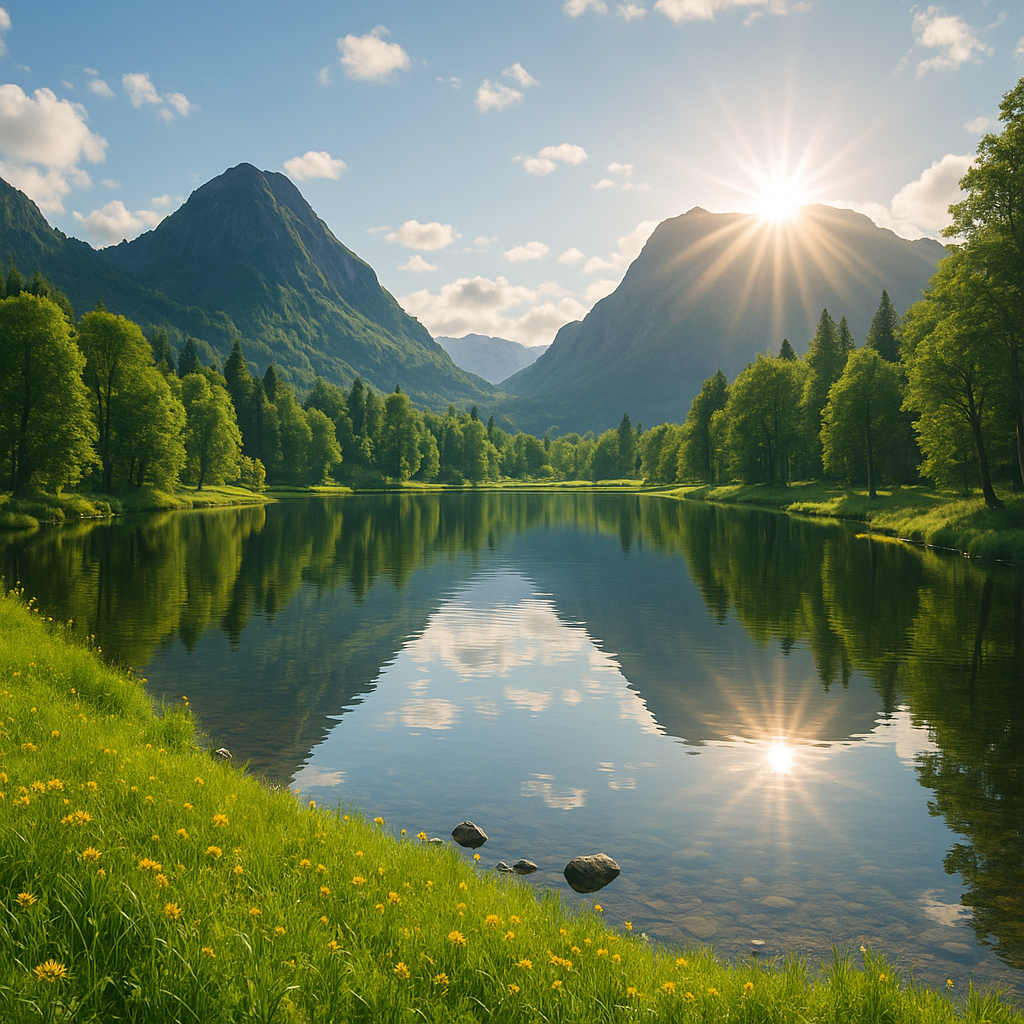
Nature therapy is a structured therapeutic approach that integrates outdoor environments into psychological treatment. It may involve:
Unlike recreational outdoor activities, nature therapy intentionally pairs natural settings with therapeutic goals, such as reducing anxiety, improving focus, processing trauma, or supporting mood stabilization.
Nature therapy can be integrated alongside specialized treatments like CBT, trauma-focused practices such as EMDR, acceptance-based approaches like ACT, and dialectical behavior therapy found in DBT.
Natural environments lower cortisol levels, activate the parasympathetic nervous system, and improve heart-rate variability—biomarkers associated with emotional calm. For individuals seeking care for anxiety, complementary approaches like nature therapy can support clinical treatments including services offered through anxiety resources.
Exposure to sunlight increases serotonin production and supports circadian regulation. Green spaces also strengthen positive affect and reduce rumination. Structured nature therapy works well with resources for depression and mood disorders, allowing clients to reconnect with meaning, pleasure, and embodied presence.
Nature reduces cognitive load and supports attention restoration. Research suggests that even 20 minutes in a park can improve working memory and executive functioning. Many individuals benefit from nature therapy as a complement to ADHD support services such as those found in ADHD treatment.
Natural environments create a sense of safety, grounding, and present-moment awareness—key components of trauma healing. Nature therapy pairs effectively with trauma-focused interventions and integrates well with clinical treatment options for trauma and PTSD.
Nature reduces physiological arousal, improves emotional flexibility, and reduces obsessive thought cycles. Integrating outdoor exposure with clinical care can complement structured treatment such as OCD support.
Natural surroundings buffer emotional intensity and promote grounding—essential for individuals with mood instability or emotional dysregulation. These benefits can be used alongside Montana-focused services for bipolar disorder.
While nature therapy is not a substitute for medication or structured clinical support, supervised engagement with natural environments can reduce sensory overload and support emotional calm. Individuals may pair nature work with clinical stability resources such as those addressing psychosis or schizophrenia.
Nature therapy supports mind–body connection, reduces body-image pressure, and promotes internal attunement. The reduction in mirrors, social comparison, and artificial stimulation allows clients to reconnect with somatic cues, complementing specialized treatment pathways such as Montana’s eating disorder support.
Outdoor CBT sessions enhance cognitive flexibility and reduce emotional resistance. Walking sessions often help clients think more clearly, supporting therapeutic work.
Nature settings reinforce DBT skills such as mindfulness, distress tolerance, and emotion regulation. Many clients find it easier to regulate physiology outdoors rather than in overstimulating indoor spaces. Learn more about DBT in Montana through DBT therapy.
Nature’s calming properties reduce the intensity of trauma responses during EMDR reprocessing. Some clinicians offer EMDR outdoors or integrate natural grounding techniques. Clients can explore local EMDR support through Montana EMDR resources.
Acceptance and Commitment Therapy aligns naturally with outdoor environments. ACT’s core processes—acceptance, values, mindfulness, and committed action—fit seamlessly with intentional time outdoors. Learn more about ACT through ACT therapy.
Clients practice slow, intentional walking combined with sensory awareness. This can reduce anxiety and intrusive thoughts.
This Japanese practice involves immersive, slow-paced time in forests. Research associates it with reduced stress hormones and improved immune markers.
Ideal for adolescents or adults seeking deep transformation, wilderness therapy includes group-based outdoor expeditions led by trained clinicians.
Working with horses, dogs, or farm animals in natural environments improves emotional regulation and connection.
Gardening improves mood, provides calming sensory input, and enhances self-efficacy.
Combining group therapy with nature reduces social pressure, increases bonding, and promotes shared healing.
Montana offers some of the most therapeutic natural landscapes in the United States—mountain ranges, evergreen forests, open plains, lakes, and rivers. For residents seeking holistic approaches to mental health, nature therapy enhances evidence-based care.
Montana clients may explore specialized services including:
Clients may also explore local therapists and clinicians using the Montana clinic page and meet practitioners through the experts directory.
Research shows that shared outdoor activity strengthens bonding, communication, and emotional connection. Many families benefit from integrating nature therapy alongside structured approaches such as couples therapy.
Nature-based programs significantly reduce cravings, stress responses, and emotional dysregulation. Incorporating nature therapy into addiction treatment enhances resilience and complements structured support such as addiction therapy.
While nature therapy is powerful, it works best as part of a comprehensive treatment plan tailored to the individual. Many people combine nature therapy with traditional therapy modalities, medication management, and holistic lifestyle practices.
Whether someone seeks help for anxiety, trauma, bipolar disorder, OCD, or depression, nature therapy strengthens emotional stability while complementing evidence-based clinical interventions.
Integrative Psych is a leader in evidence-based, compassionate mental-health care. Our clinicians specialize in anxiety, depression, trauma, OCD, bipolar disorder, ADHD, eating disorders, and relational challenges. We integrate gold-standard therapies such as CBT, DBT, EMDR, ACT, and advanced psychiatric services.
Clients can learn more about our mission and team through the Integrative Psych homepage, explore our Montana offerings at the Montana clinic page, or schedule a consultation through our secure consultation portal.

We're now accepting new patients