October 16, 2025
Explore the comprehensive autism diagnosis process in our guide. Understand the symptoms, screening, and evaluation for both children and adults, and the importance of early intervention.
In this article, we'll explore the key aspects of autism identification, including recognizing the symptoms, understanding the diagnosis process, and the significance of early screening and evaluation. We'll also delve into the options available for adults seeking an autism diagnosis.

Autism symptoms can manifest in various forms and differ from person to person. However, there are some common signs that may indicate the presence of autism, including challenges with social interaction, difficulties in communication, and engaging in repetitive behaviors.
One of the hallmark signs of autism is difficulty with social interactions, including making eye contact and understanding social cues. Individuals with autism may also struggle with forming friendships and may prefer to play alone. Communication challenges are another key symptom, where some individuals may have delayed speech development or use language in unusual ways, such as repeating phrases.
Repetitive behaviors are also common among those with autism. This can include actions like hand-flapping or focusing intensely on specific interests. Additionally, many individuals with autism struggle with adapting to changes in routine, which can lead to anxiety.

Identifying autism involves a comprehensive evaluation process. Early diagnosis is crucial as it can lead to early intervention, significantly improving outcomes for individuals with autism. Screening for autism typically begins in early childhood, with pediatricians conducting developmental screenings and using parent questionnaires to gather insights into the child's behavior.
If initial screenings suggest the presence of autism, a more comprehensive evaluation is conducted, often involving a team of specialists. This process may include gathering developmental history, behavioral observations, standardized tests, and interviews with parents and teachers.
Once the evaluation is complete, specialists analyze the data to determine whether the criteria for an autism diagnosis are met. It’s important to note that autism is a spectrum disorder, meaning it affects individuals differently. The diagnostic process aims to provide a thorough understanding of each individual's unique profile, leading to personalized intervention plans.
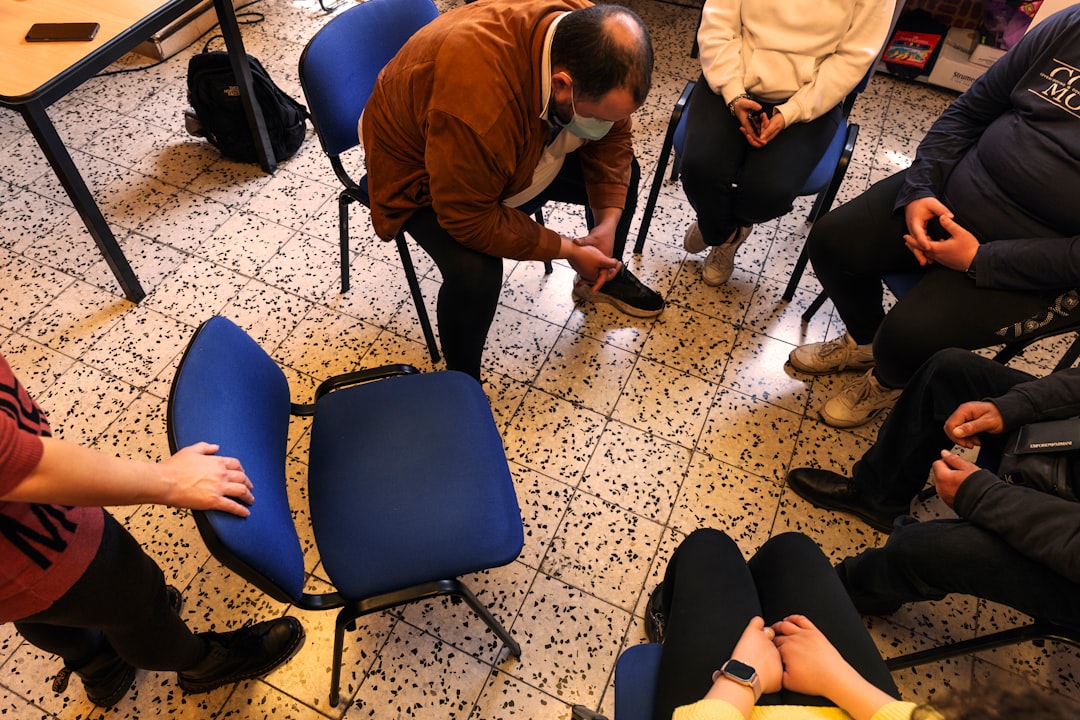
Autism isn't just diagnosed in children; many adults seek a diagnosis later in life. Some adults might have been misdiagnosed or overlooked in childhood, while others only recognize the signs of autism as adults. If you suspect you may have autism, it’s important to consult with a healthcare professional experienced in diagnosing adult autism, as the evaluation process differs from that of children.
The evaluation typically involves discussing personal history, completing self-assessment tools, and conducting interviews with close contacts. After receiving a diagnosis, adults can access various resources and support systems, including therapy, social skills training, and community support groups.
Early detection and intervention are crucial in supporting individuals with autism. Research shows that early intervention can lead to improved social skills, communication, and overall development. Parents and caregivers should stay informed about developmental milestones and seek professional guidance if they have concerns.
Understanding developmental milestones is vital for recognizing potential delays or concerns early, allowing for timely interventions. Engaging in evidence-based intervention strategies during critical developmental windows can enhance skills, leading to better long-term outcomes for individuals with autism.
Understanding autism spectrum disorder and the diagnosis process is essential for providing support and resources to those affected. By fostering a better understanding of autism, we can create a more inclusive society that acknowledges and supports the diverse needs of all individuals. Raising awareness about autism through community initiatives and education can promote understanding and acceptance, ultimately benefiting individuals on the autism spectrum and their families.
Feel free to let me know if you need any further modifications or additions!

We're now accepting new patients