December 3, 2025
Mindfulness exercises that improve mental health, reduce anxiety, and support healing across depression, ADHD, OCD, and more.
Mindfulness has rapidly become one of the most widely researched and clinically supported tools in modern psychotherapy. From enhancing emotional regulation to decreasing stress reactivity, mindfulness helps individuals cultivate a grounded awareness of the present moment. It is commonly used alongside evidence-based therapies such as Cognitive Behavioral Therapy, DBT, and trauma-focused interventions like EMDR.
Mindfulness is especially important within today’s diverse mental-health landscape, where conditions such as depression, ADHD, anxiety, OCD, borderline personality disorder (BPD), schizophrenia, psychosis, and eating disorders require integrative approaches. Clinics like Integrative Psych draw on these principles as part of whole-person care for clients across NYC and Miami.
People struggling with depression often experience rumination—repetitive, negative thinking loops. Mindfulness helps interrupt these cycles by teaching patients to observe thoughts without judgment. This self-observation aligns with the therapeutic structure used in evidence-informed care for depression, such as services described in clinical depression treatment resources.
Anxiety thrives on anticipation and worry. Many of the most effective anxiety treatments, including CBT and exposure-based strategies, incorporate mindfulness to reduce physiological arousal and promote grounding. You can explore more specialized anxiety care through the clinic’s anxiety treatment services.
Although ADHD is often associated with distractibility and difficulty sustaining attention, research shows that mindfulness training improves focus, impulse control, and working memory. These benefits support individuals navigating adult ADHD treatment, such as those engaged with ADHD psychiatrists in New York.
Mindfulness strengthens distress tolerance and decouples obsessional thoughts from compulsive responses. When paired with ERP or clinical services like those detailed in the clinic’s OCD treatment page, it becomes an important adjunct.
While mindfulness must be adapted carefully, research indicates that grounding techniques, breath awareness, and body-based mindfulness can help stabilize attention and reduce distress associated with hallucinations or delusional thinking. These strategies complement clinical oversight within specialized care programs such as schizophrenia treatment, psychosis services, and medication management via antipsychotic treatment providers.
Mindful eating and interoceptive awareness exercises help clients reconnect with hunger cues, decrease emotional eating, and observe body-image thoughts without reacting to them. These practices integrate well with evidence-based programs such as the clinic’s eating disorder treatment.
Validation: Including these conditions strengthens topical authority and supports SEO by aligning with high-volume, condition-specific searches.
One of the simplest ways to regulate the nervous system, mindful breathing involves slow, intentional inhalation and exhalation while observing sensations that arise. It can reduce acute anxiety, support emotional regulation in BPD, and improve concentration in ADHD.

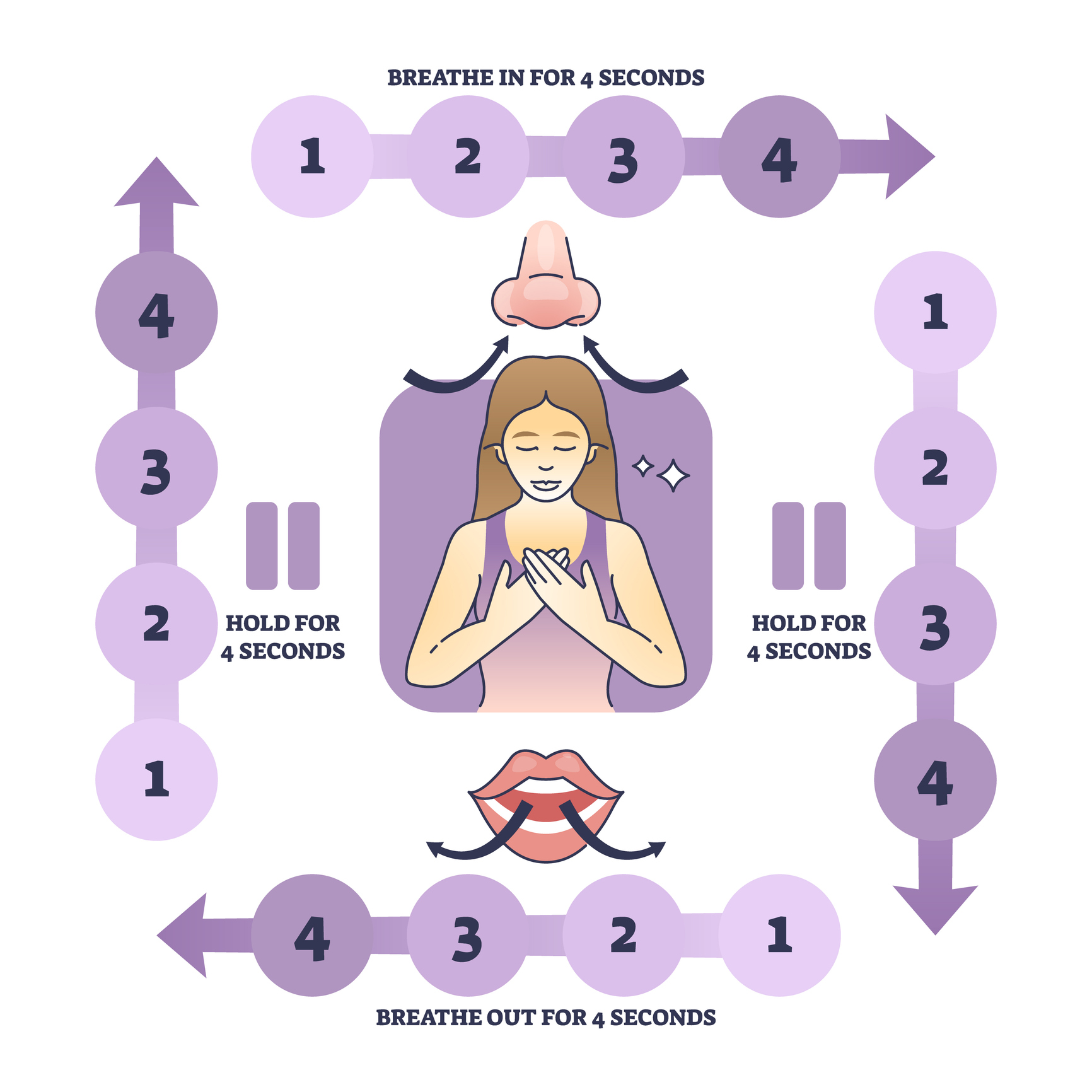
Why it works: Breath is a direct pathway into the parasympathetic nervous system, reducing cortisol and calming limbic activation.
This exercise builds interoceptive awareness by slowly guiding attention through the body from head to toe. It’s powerful for trauma-related tension, depressive numbness, and chronic anxiety.
Often used in acute anxiety—and particularly supportive for people with dissociation or symptoms related to psychosis—this sensory-based exercise helps anchor attention to the present moment.
When intrusive thoughts arise (common in OCD, anxiety, depression), mindfulness teaches individuals to “name and notice” the thought rather than react to it. This skill mirrors cognitive restructuring in therapies like CBT.
For individuals navigating shame-based disorders such as eating disorders, BPD, or depression, self-compassion meditations reduce self-criticism and support secure emotional coping.
Walking meditation encourages movement with awareness—helpful for ADHD, rumination, and stress reduction. It also benefits people who find stillness uncomfortable or activating.
Pairing mindfulness with expressive writing deepens reflection and helps track emotional patterns. It aligns well with trauma therapy, mood disorder management, and programs like women’s mental health services.
Mindfulness is not meant to replace therapy—it is designed to enhance it. Clinicians in many modalities integrate mindfulness into structured treatments, including:
Because mindfulness increases insight, decreases reactivity, and reinforces neural pathways related to emotional regulation, it synergizes with modern psychiatric care across diverse diagnoses.
Patients working through BPD benefit from mindfulness as a foundational DBT skill. It supports distress tolerance, interpersonal effectiveness, and emotion regulation—all core principles of the modality. These skills are thoroughly taught in programs similar to the clinic’s DBT services.
Grounding techniques, mindful observation, and guided sensory awareness can reduce panic and help differentiate internal versus external experiences. When paired with careful psychiatric oversight, such as the programs outlined in the clinic’s specialized psychosis treatment, these tools offer meaningful stabilizing support.
For LGBTQ+ individuals facing stress, discrimination, or identity-related anxiety, mindfulness supports emotional resilience and self-acceptance. Programs like those described in LGBTQ mental health services integrate affirming, mindfulness-based coping strategies.
Mindfulness becomes most powerful when integrated into everyday routines:
Many clients find it helpful to pair mindfulness practices with psychotherapy. Booking a consultation with expert clinicians—such as those available through the clinic’s consultation services—provides personalized guidance.
Integrative Psych is a leading mental-health practice providing advanced, evidence-based therapy and psychiatric care for individuals, couples, and families. With expert clinicians described on their team page, the practice delivers specialized treatment across conditions such as anxiety, depression, ADHD, OCD, eating disorders, schizophrenia, and complex trauma.
Clients in New York can explore their services through the NYC practice overview, while those seeking support in Florida can connect with the expert clinicians in their Miami office via the Miami mental-health team page. Their whole-person, science-based approach is designed to help patients build emotional resilience, enhance relationships, and create long-term psychological well-being.

We're now accepting new patients